
Construction
Industrial Scaffolder
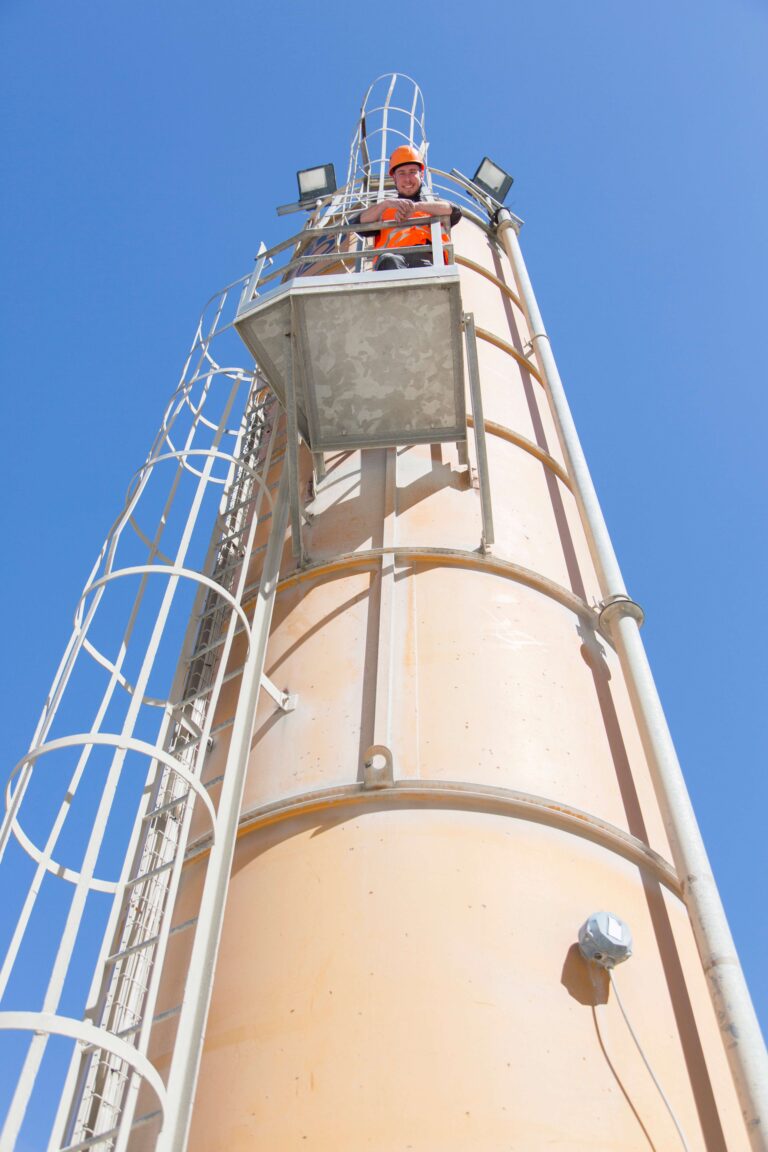
The scaffolder assembles and dismantles various types of scaffolding. Before starting physical work, the scaffolder consults with the client and colleagues regarding the scaffold to be erected. The scaffolder must be fully aware of all safety requirements.
Once the scaffolder and their colleagues have a clear understanding of what to build and how to build it, they can begin the practical work. Scaffolders typically work in teams, with some team members remaining on the ground to pass up the scaffolding materials.
Job requirements
- Scaffolding qualification: Certified technician, Level 1 or 2
- Basic Safety Training (VCA)
- First Aid certificate (preferred)
- Driving licence (Category B) (preferred)
- Several years (minimum 2) of relevant experience as a scaffolder
- Good command of Dutch, English, or German
- Effective communication skills

Structural painter
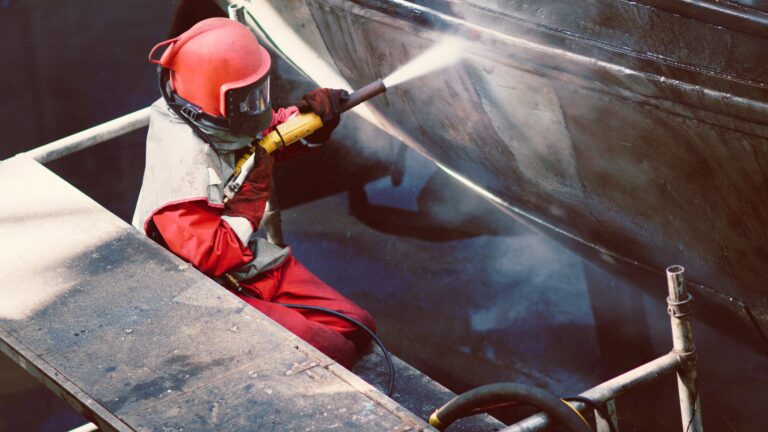
A structural painter specialises in the maintenance, preservation, and aesthetic improvement of concrete and steel structures, such as bridges, storage tanks, pipelines, yachts, and civil engineering works. The work consists of extending the service life of these structures by removing rust, grit blasting, degreasing, and applying paint or spray coatings, while strictly adhering to safety standards and environmental regulations.
Skills and qualifications
- Pre-vocational secondary education in a technical field or equivalent; training as a specialist painter or similar vocational qualification
- Basic Safety Certification (VCA) (mandatory); additional certifications for specific techniques (e.g. MEWPs/aerial work platforms) are an advantage
- Practical knowledge of blasting, spraying, and preservation techniques
- Attention to detail, physically fit, comfortable working at heights, and a team player
Industrial insulator
An industrial insulator carries out hot and cold insulation work on (gas) pipelines and installations within large industrial companies. You will apply custom thermal insulation to installations, equipment, and piping systems. You are also responsible for applying insulation cladding in light metals. Beyond a solid fundamental knowledge of technical drawing and measurement, the profession of industrial insulator requires manual dexterity, attention to detail, and skills in metalwork and finishing.
Job requirements
- Pre-vocational secondary education (technical orientation)
- Basic Safety Training (VCA/SCC – Health, Safety and Environment Checklist for Contractors)
- Driving licence (Category B) (preferred)
- Several years of experience as an insulator in the industrial sector
- Good command of Dutch, English, or German
- Effective communication skills
- Professional appearance
- Willingness to work at various locations

Sandblaster
As a sandblaster, you work on the maintenance of industrial equipment and vehicles, the blasting of industrial pumps, and the finishing or blasting of various metal or concrete surfaces—for instance, in factories and ports. Since these objects must be able to withstand harsh weather conditions, they require a durable protective layer applied by the sandblaster.
It is vital that a sandblaster is able to work safely, given the power of the machinery involved. When the operator complies with all safety standards, the risk is minimal.
Job requirements
- Pre-vocational secondary education (technical orientation)
- Experience in industrial blasting / surface preparation
- Basic Safety Training (VCA)
- Driving licence (Category B) (preferred)
- Quality and safety-oriented attitude
- Good command of Dutch, English, or German